


-

Add: HeBei ShengShi HongBang Cellulose Technology CO.,LTD.
-

Email
13180486930@163.com -

CONTACT US
+86 13180486930

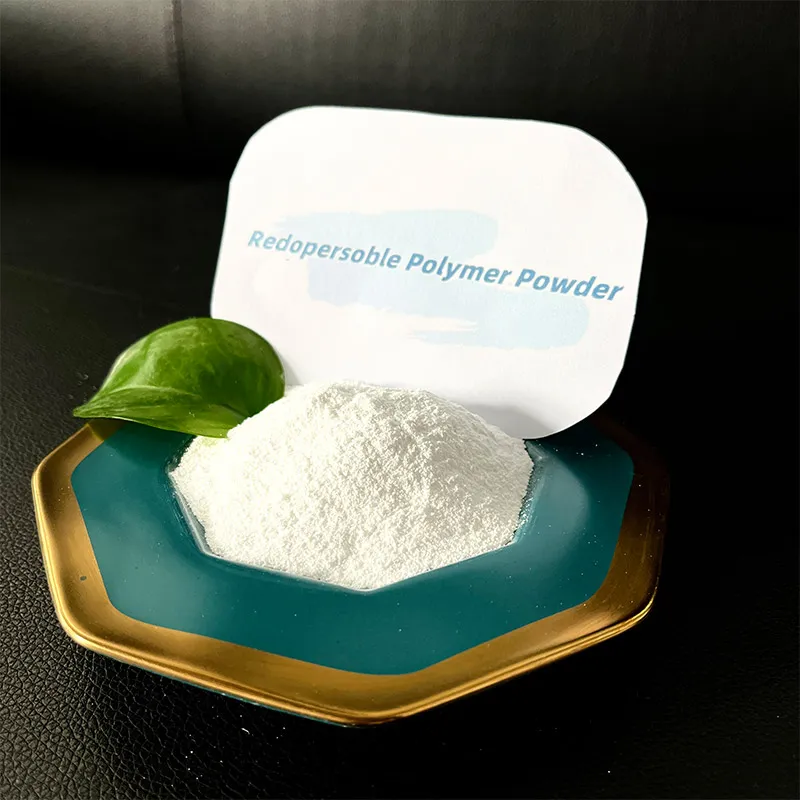



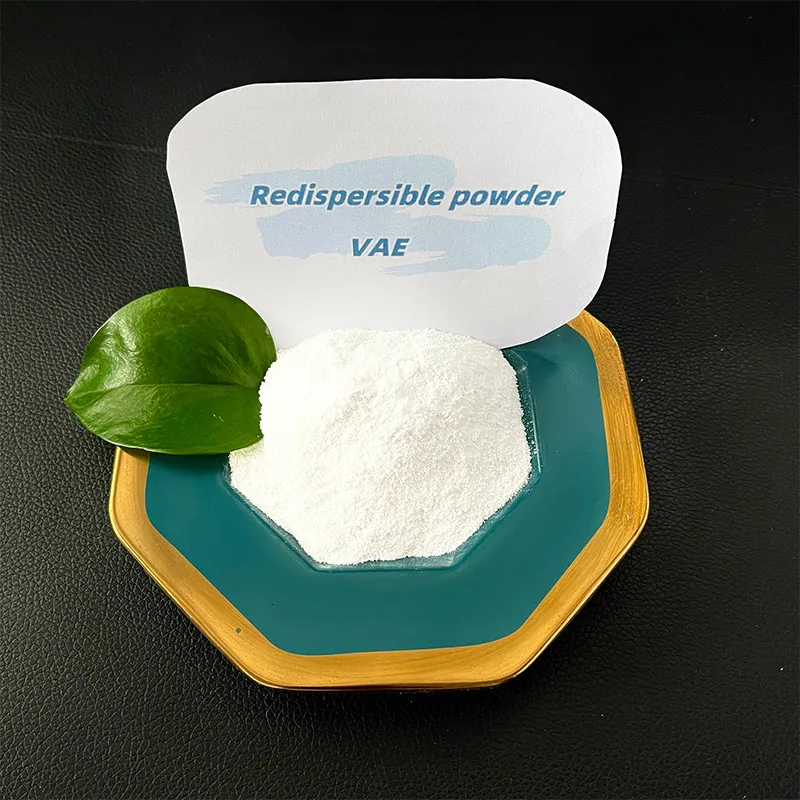
The Versatility and Applications of Polyvinyl Chloride Powder Polyvinyl chloride (PVC) is one of the most widely used synthetic plastics globally, with its powder form offering remarkable versatility and utility across various industries. PVC is produced through the polymerization of vinyl chloride monomer (VCM), leading to products that can be either rigid or flexible depending on the additives used during processing. This article explores the properties of PVC powder, its manufacturing process, and its diverse applications in numerous sectors. Properties of PVC Powder PVC powder is characterized by its excellent chemical resistance, durability, and fire-retardant properties. These characteristics make it a preferred material for many applications. The powder form allows for various processing techniques, including extrusion, injection molding, and calendaring. It can be compounded with other materials to enhance its properties, such as flexibility, weatherability, and color stability. By adding plasticizers, stabilizers, and other additives, manufacturers can tailor PVC powder to meet specific performance requirements for different applications. Manufacturing Process The production of PVC powder typically involves the polymerization of vinyl chloride gas, which is accomplished through suspension, emulsion, or bulk polymerization processes. The resulting polymer can be ground into a fine powder suitable for various processing techniques. During the manufacturing process, additives are incorporated to improve the powder's characteristics. For instance, lubricants may be added to enhance flow properties, while thermal stabilizers protect against degradation during processing. Applications of PVC Powder The applications of PVC powder are vast and span multiple industries, including construction, healthcare, automotive, and consumer goods. polyvinyl chloride powder 1. Construction In the construction sector, PVC powder is widely used to manufacture pipes, fittings, and profiles. Rigid PVC pipes are favored for their strength, lightweight, and resistance to corrosion, making them ideal for plumbing, drainage, and electrical applications. Additionally, PVC profiles for windows and doors provide energy efficiency, durability, and low maintenance. 2. Healthcare PVC powder plays a crucial role in the healthcare industry. It is utilized in medical devices, such as IV bags, tubing, and blood bags. The material's ability to be sterilized and its biocompatibility make it suitable for various medical applications. Furthermore, the flexibility of PVC can be modified with additives to ensure comfortable and safe medical products. 3. Automotive In the automotive industry, PVC powder is utilized to create interior parts, such as door panels, instrument panels, and seat covers. Its lightweight nature helps improve fuel efficiency, while its durability contributes to the longevity of automotive components. Additionally, PVC is often used in insulation for electrical wiring in vehicles. 4. Consumer Goods PVC powder is commonly found in a wide range of consumer products, from toys to footwear and household items. For example, inflatable products, such as pool floats and toys, benefit from PVC's waterproof properties. Its adaptability allows manufacturers to create products in various colors and textures. 5. Packaging The packaging industry also leverages PVC powder for producing cling films and other flexible packaging materials. PVC's excellent barrier properties help preserve the freshness of food products while providing visibility and durability. Conclusion In summary, polyvinyl chloride powder exhibits remarkable versatility, making it a crucial material in various sectors. Its unique properties and adaptability allow for tailored solutions to meet specific requirements in construction, healthcare, automotive, consumer goods, and packaging markets. As sustainability becomes increasingly important, the industry is also exploring recycling and eco-friendly alternatives to ensure that PVC remains a viable and responsible choice. With ongoing innovations and developments in processing techniques, the future of PVC powder is poised to remain bright, continuing to provide essential contributions across multiple industries.
- 40000tons

Production
- 20+years

Experience
- 5000+㎡

Acreage

-
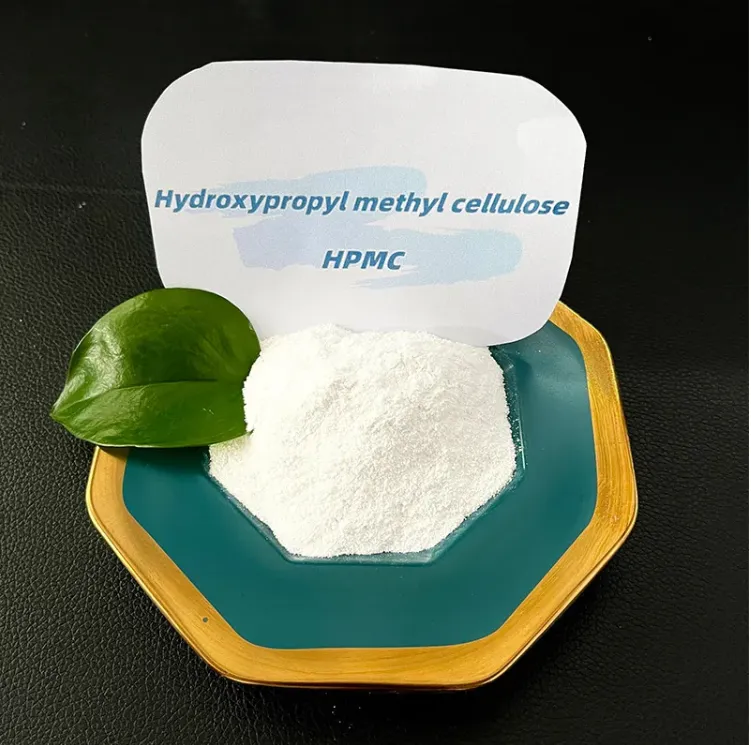
In the world of pharmaceuticals and nutraceuticals, excipients play an essential role in the formulation of drugs, enhancing both their stability and efficacy. Among these, Hydroxypropyl Methylcellulose (HPMC) stands out for its versatile properties and broad range of applications. This article delves into the distinctive characteristics, production processes, and essential benefits of HPMC as an excipient, providing invaluable insights for manufacturers and formulators who aim to leverage its unique attributes for product development. Hydroxypropyl Methylcellulose is a semi-synthetic, inert, and viscoelastic polymer, derived from cellulose. It is renowned for its exceptional ability to modify the viscosity of solutions and its role as a stabilizer, thickener, and film former. These properties make HPMC a preferred choice in the pharmaceutical industry, where it is employed not only in tablet production but also in controlled-release formulations, ophthalmic preparations, and topical agents. The production of HPMC involves the treatment of cellulose with sodium hydroxide followed by a treatment with methyl chloride and propylene oxide. This process yields a complex and adaptable product that can be tailored to meet the specific demands of various drugs, enhancing their performance in ways few other excipients can. The critical control over the degree of substitution and the molecular weight distribution allows manufacturers to customize the viscosity and gel temperature, thus optimizing the stability and release profiles of pharmaceutical formulations. What sets Hydroxypropyl Methylcellulose apart is its role in controlled release mechanisms . As an integral component of hydrophilic matrix systems, HPMC controls the release rate of active pharmaceutical ingredients through a sophisticated erosion and diffusion process. When in contact with bodily fluids, it hydrates rapidly to form a gel layer that regulates drug diffusion and subsequent dissolution. This unique characteristic is particularly advantageous for sustained and controlled-release tablets, providing a predictable pharmacokinetic profile and enhancing patient compliance. hydroxypropyl methylcellulose excipient In topical applications, HPMC serves as an effective film-former, creating a protective layer that not only enhances the delivery of therapeutic agents but also provides moisturizing benefits. Its hypoallergenic and non-toxic nature makes it an optimal choice for dermatological products, ensuring safety and efficacy even in sensitive applications. From a formulators’ perspective, the versatility of Hydroxypropyl Methylcellulose extends into the nutritional supplement industry. It plays a crucial role in the encapsulation of herbal extracts and vitamins, providing a plant-based alternative to gelatin capsules. This property aligns with the increasing consumer demand for vegetarian and vegan products, positioning HPMC as a forward-thinking solution for sustainable product lines. Quality consistency in HPMC production is paramount. Rigorous adherence to Good Manufacturing Practices (GMP) ensures that each batch meets stringent quality standards. Manufacturers who prioritize transparency and reliability in their supply chain build trust with formulators, ultimately impacting the success of end products in the market. Through precise control of process variables and a commitment to quality assurance protocols, the integrity of HPMC as a high-grade excipient is maintained, fostering trust throughout the industry. For formulators exploring innovative ways to augment drug delivery and product integrity, Hydroxypropyl Methylcellulose presents itself as a robust ally. Its adaptability in formulation design, coupled with its favorable safety profile, positions it as a core material in the advancement of both pharmaceutical and nutraceutical applications. When selecting excipients, understanding the inherently unique properties of HPMC could be a game-changer, offering an avenue to superior product performance, enhanced patient experiences, and a competitive edge in the ever-evolving landscape of health and wellness products.
-
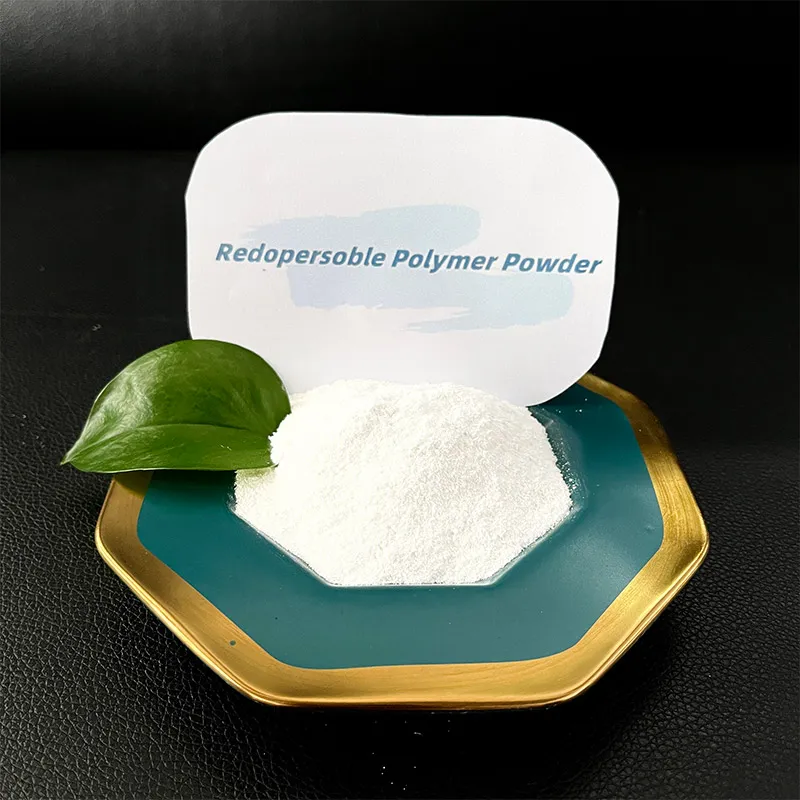
Exploring the molecular weight of hydroxypropyl methylcellulose (HPMC) unveils a nuanced aspect often overlooked yet crucial in multiple applications within pharmaceuticals, construction, and food industries. The molecular weight directly influences HPMC's solubility, viscosity, and functional properties, challenging even the most experienced professionals to match the perfect balance for specific industrial needs. Molecular weight, fundamentally, indicates the size of a single HPMC molecule, typically ranging between 10,000 to 1,500,000 g/mol. This variability allows HPMC to adapt to diverse roles, from thickening agents in sauces to extended-release agents in medicine, showcasing its versatility. In pharmaceuticals, HPMC's molecular weight is instrumental in controlling drug release rates . A higher molecular weight often translates to increased viscosity, which is pivotal in formulating controlled-release drugs. This characteristic ensures that the medication is released at a consistently maintained rate, enhancing the treatment's efficacy and patient compliance. Manufacturers aiming for precision must therefore select HPMC with a molecular weight that aligns perfectly with the intended release profile. The food industry similarly benefits from HPMC's customizable properties. As a stabilizer and texturizer, the molecular weight determines how effectively HPMC can emulsify and retain moisture in products like low-fat dairy or gluten-free items. By adjusting the molecular weight, food technologists can create products with improved mouthfeel and structural integrity, which are crucial for consumer acceptance. In construction, HPMC's role as a rheology modifier is heavily dictated by its molecular weight. For applications in cement-based products, such as tile adhesives or self-leveling compounds, an HPMC variety with an appropriate molecular weight ensures the correct balance of water retention and workability. This factor is critical to achieving the desired slump resistance and tensile adhesion strength in building materials. hpmc molecular weight Despite these benefits, selecting the incorrect molecular weight can lead to suboptimal performance. For instance, in pharmaceuticals, an HPMC with too low a molecular weight could result in rapid drug dissolution, counteracting the desired slow-release effect. Similarly, in construction, using a product with inadequate molecular weight might fail to impart necessary workability or lead to cracking due to insufficient water retention. Adopting a scientific approach, many experts utilize techniques such as gel permeation chromatography or viscometric methods to determine the precise molecular weight of HPMC needed for a given application. These methods provide insights that allow formulators to predict the polymer's behavior, fostering innovation and precision in product development. The authoritative voice in HPMC usage stems from balancing experience with empirical data, ensuring the chosen molecular weight aligns with application-specific requirements. This intricate balance nurtures trust among clients and consumers, who rely on consistent, high-quality products underscored by rigorous scientific validation. In conclusion, understanding and selecting the appropriate molecular weight of HPMC is an art that combines advanced technical knowledge with practical expertise. Professionals tasked with this selection process drive innovation and quality across industries, reinforcing HPMC's role as an indispensable component in achieving desired performance outcomes in countless applications.
advantages
-

200000 Viscosities
Excellent product
We can produce pure products up to 200,000 viscosities
-

40000 tons
High yield
We don’t stop production all year round, and the annual output can reach 40,000 tons
-

24 hours
Quality service
We provide 24-hours online reception service, welcome to consult at any time
———— Inquiry Form
Schedule A services

-
 microfibres_de_polypropylene
Oct . 25, 2025
Materials derived from natural sources, like wood cellulose , are redefining industries with their v -
 hpmc_for_skim_coat
Oct . 25, 2025
In the world of construction and textiles, innovative materials like polypropylene fiber and acrylic -
 bubuk_hidroksipropil_metilselulosa
Oct . 25, 2025
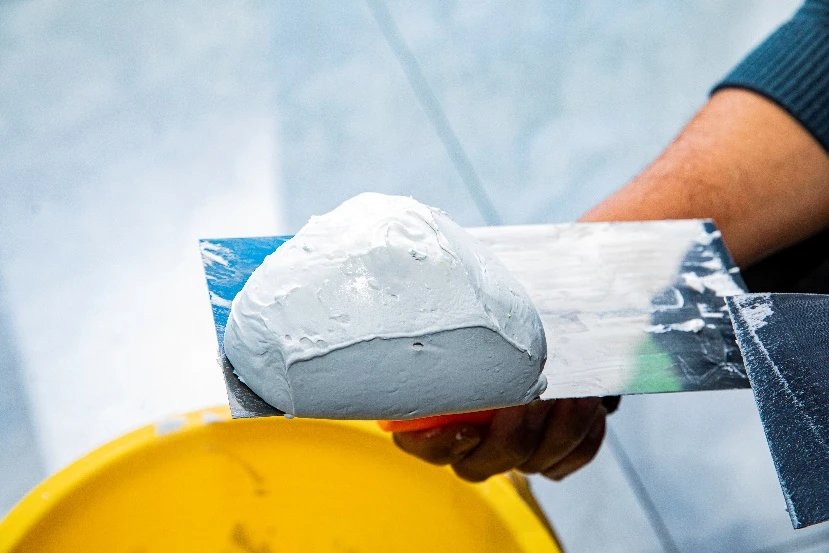
Hydroxypropyl Methylcellulose (HPMC) is a critical additive in the putty powder industry, playing a


